
PACE partners meet in Montpellier to advance the next phase of cancer prevention in prison settings
06
Jul
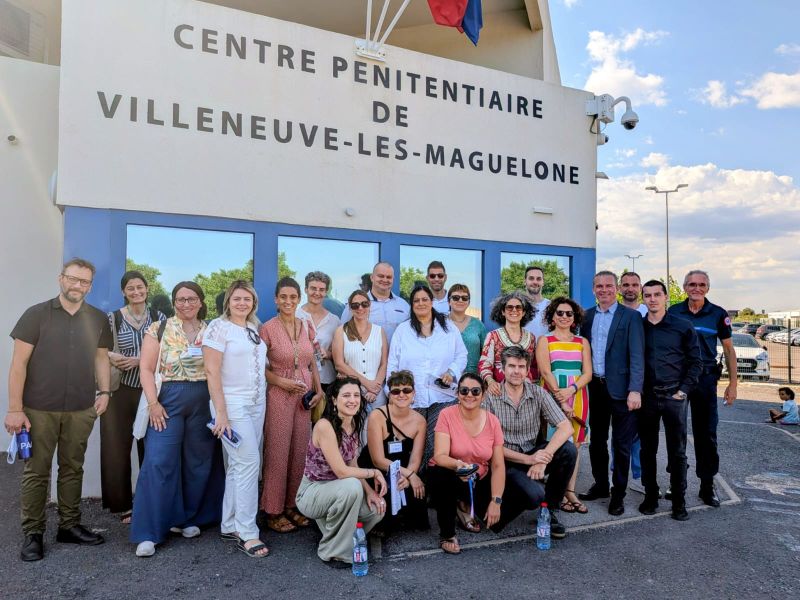
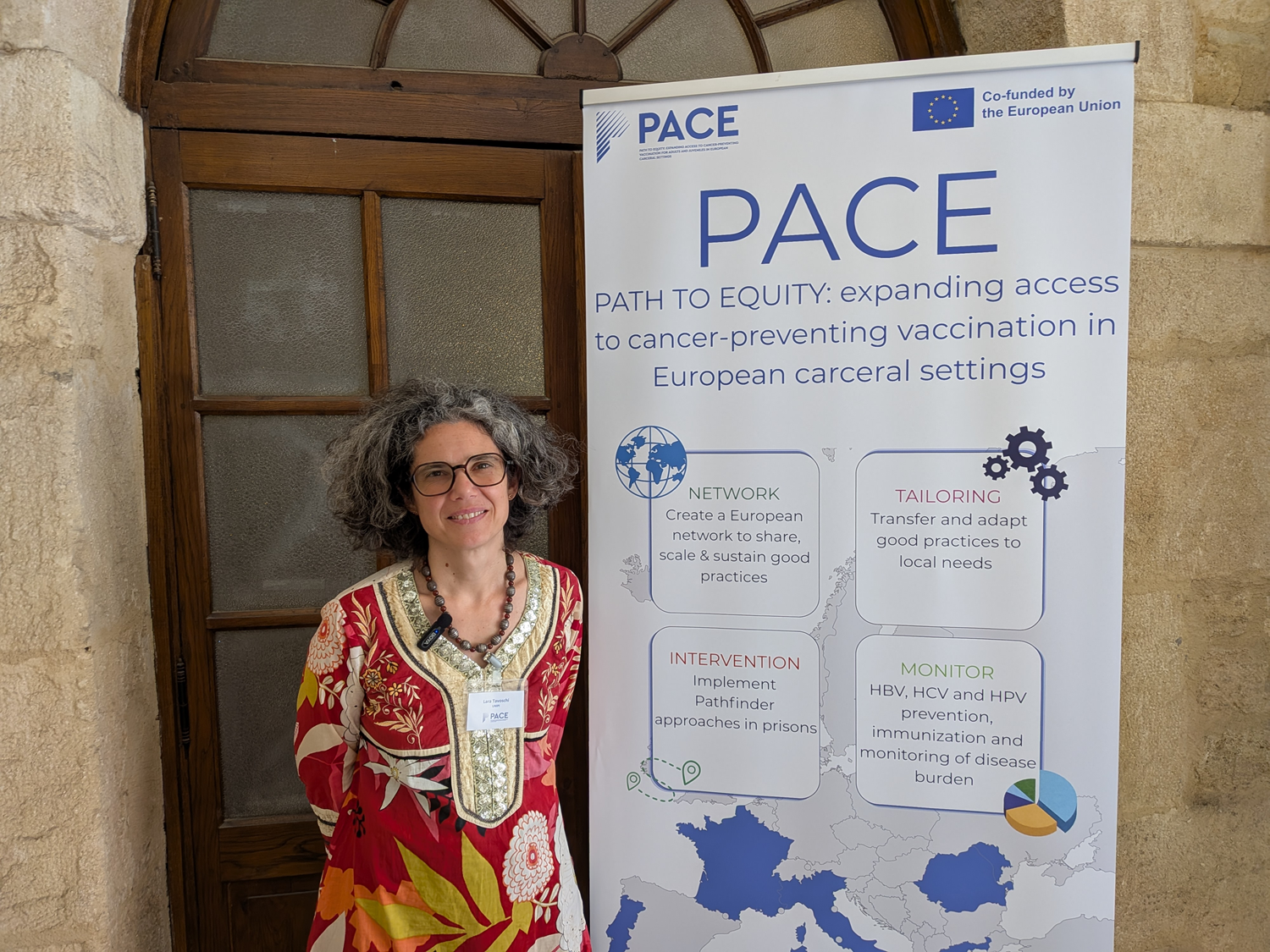
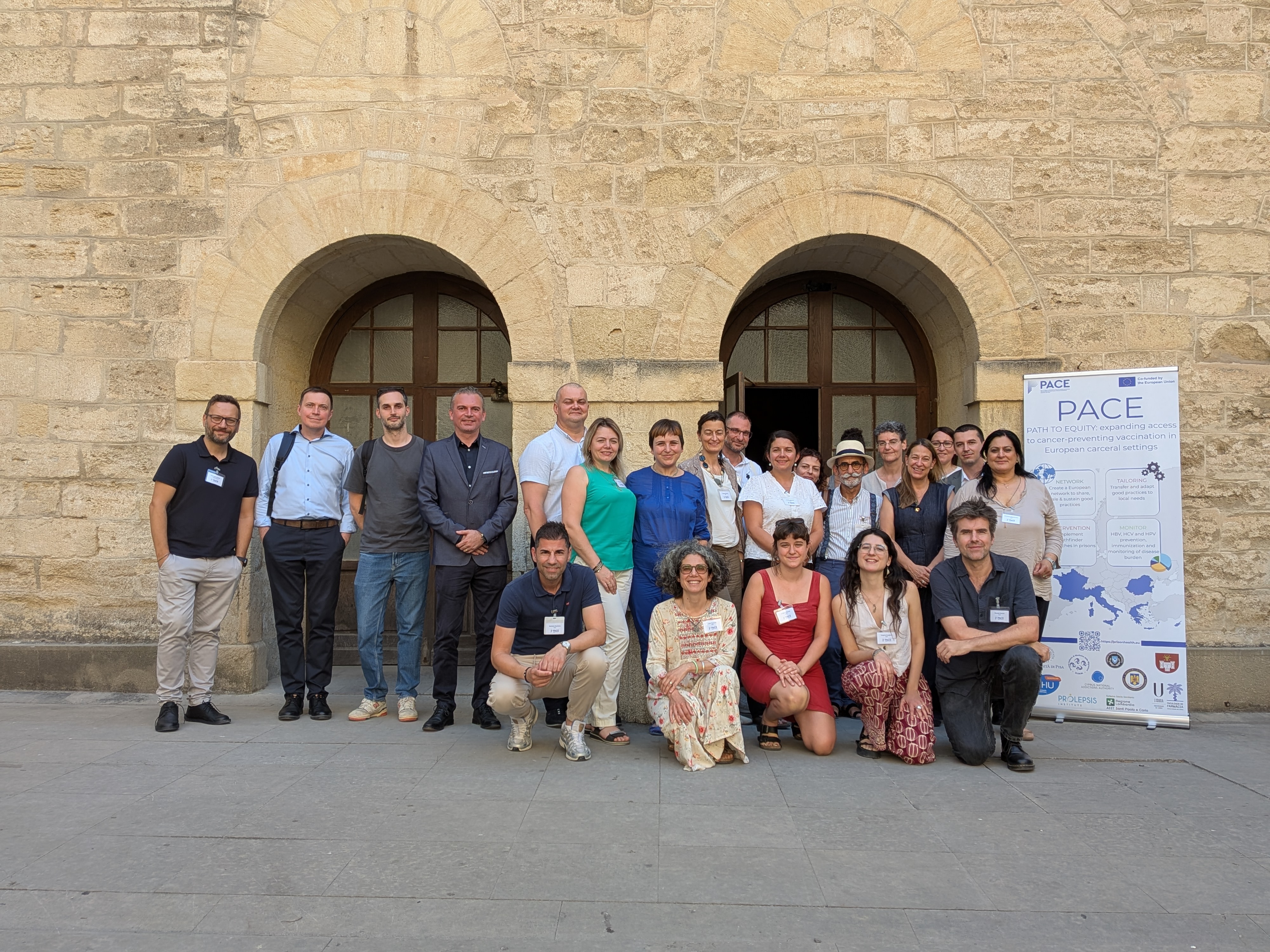
The PACE consortium gathered in Montpellier, France, on 29–30 June for its General Assembly. This event brought together project partners, Advisory Board members, the International Professional Network and invited experts for two days of collaboration, knowledge exchange and strategic planning.
Hosted by CHU de Montpellier, the meeting marked an important milestone in the project, providing an opportunity to review progress, discuss preliminary findings and prepare the next phase of implementation aimed at improving cancer prevention for people living in prison across Europe.
The first day focused on European best and promising practices for preventing cancers linked to HPV and viral hepatitis in prison settings.
Participants explored experiences and lessons learned from initiatives including the European Toolkit for the Elimination of Viral Hepatitis in Prisons (EuroHePP), WHO priorities for prison health, the RISE-Vac and RIVER-EU projects. Discussions also highlighted how existing good practices can support more equitable access to vaccination, screening and linkage to care across different national contexts.
The meeting was enriched by valuable contributions from representatives of the DG SANTE, European Health and Digital Executive Agency (HaDEA), the WHO Country Office in Greece, the European Centre for Disease Prevention and Control (ECDC) and the European Union Drugs Agency (EUDA), whose perspectives reinforced the importance of collaboration and evidence-informed action at European level.
From Gap Analysis to Pathfinder interventions
A central part of the meeting was dedicated to reviewing the preliminary findings of the PACE Gap Analysis, which is helping identify existing challenges, gaps and opportunities across participating countries.
Through country-focused breakout sessions, partners exchanged experiences, reflected on national priorities and explored practical solutions that will inform the development of PACE Pathfinder interventions. These discussions highlighted the importance of adapting interventions to local realities while building on existing strengths and good practices.
Preparing the next phase
The second day focused on translating evidence into implementation.
Partners discussed the Pathfinder Study Protocol, qualitative assessment methods and approaches to strengthening monitoring capacities in prison settings, including the development of the PACE Prison Sentinel Network.
The program also included dedicated sessions on communication, dissemination, scientific publications and future engagement activities. The meeting also featured a presentation of the Joint Action SHIELD – Strategies for Health Interventions to Eliminate Infection-related Cancers, highlighting opportunities for collaboration and reinforcing synergies between the two EU4Health initiatives in areas of common interest, including HPV, viral hepatitis and prison health.
The General Assembly reaffirmed the consortium's shared commitment to reducing health inequalities by strengthening access to vaccination, screening and healthcare services for people living in prison.
PACE will now move forward with the implementation of the Gap Analysis activities, the development of context-adapted Pathfinder interventions and continued collaboration with European and international stakeholders to improve cancer prevention across Europe.